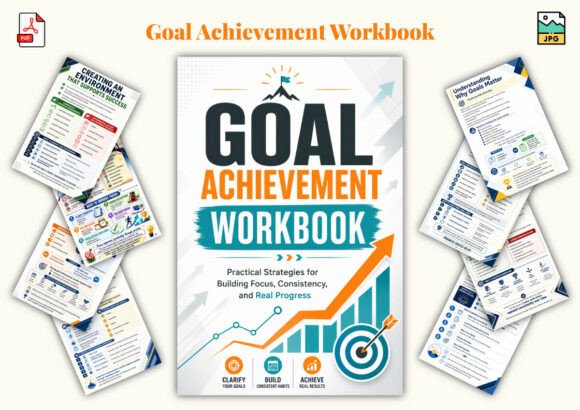
Goal Achievement Workbook: A Strategic Tool for Personal and Professional Growth
The Goal Achievement Workbook is a powerful resource designed to help individuals and organizations clarify objectives, streamline planning, and track progress with precision. Whether you're an entrepreneur launching a new venture, a professional aiming for career advancement, or a student seeking academic success, this workbook offers structured guidance to turn abstract aspirations into actionable steps.
At its core, the Goal Achievement Workbook is more than just a list of tasks—it's a strategic framework that encourages deep reflection, thoughtful planning, and consistent execution. By integrating goal-setting principles with practical exercises, it empowers users to align their daily actions with long-term outcomes.
Why Use the Goal Achievement Workbook?
In today’s fast-paced world, distractions are abundant, and staying focused on key priorities can be challenging. The Goal Achievement Workbook provides clarity by helping users define what truly matters. It enables you to break down complex goals into manageable components, ensuring that every action taken contributes meaningfully to your overall vision.
This workbook is particularly valuable for those who want to enhance productivity without falling into the trap of burnout. It supports intentional decision-making by encouraging users to evaluate each task against their broader objectives. This alignment not only increases efficiency but also fosters a sense of purpose and fulfillment in work and life.
Strategic Applications Across Different Contexts
The versatility of the Goal Achievement Workbook makes it applicable across various domains. For entrepreneurs, it can serve as a roadmap for business development, helping to identify market opportunities, refine branding strategies, and improve customer engagement. Marketers can use it to set campaign goals, measure performance metrics, and optimize content creation efforts.
Professionals looking to advance in their careers can leverage the workbook to outline skill development plans, prepare for promotions, or transition into new industries. Educators and homeschooling parents may find it useful for structuring learning paths, tracking student progress, and fostering a growth mindset in children.
Freelancers and small business owners can benefit from using the workbook to manage project timelines, set financial targets, and maintain a healthy work-life balance. Its structured approach ensures that even the most ambitious goals remain achievable through consistent effort and strategic planning.
How to Approach the Goal Achievement Workbook
To get the most out of the Goal Achievement Workbook, it's essential to approach it with intention rather than randomness. Begin by identifying your primary objective—whether it's launching a product, improving personal well-being, or building a brand. Once you have a clear vision, use the workbook to map out specific milestones, allocate resources, and establish deadlines.
One effective strategy is to divide large goals into smaller, measurable tasks. This method prevents overwhelm and allows for regular progress checks. Additionally, incorporating reflective exercises from the workbook can help you assess what's working and what needs adjustment. These insights enable continuous improvement and adaptability in response to changing circumstances.
It's also important to consider potential obstacles and develop contingency plans. The workbook encourages users to anticipate challenges and think critically about solutions. This proactive mindset enhances resilience and ensures that setbacks do not derail long-term success.
Practical Examples of Goal Achievement
Let's say you're an entrepreneur aiming to scale your startup within the next year. Using the Goal Achievement Workbook, you might start by defining your target market, setting revenue goals, and outlining key performance indicators (KPIs). Each week, you could review your progress, adjust your strategy based on feedback, and celebrate small victories along the way.
If you're a marketer looking to boost website traffic, the workbook can guide you in setting SEO goals, creating content calendars, and analyzing user behavior. By tracking metrics like bounce rate, conversion rate, and engagement time, you can refine your approach and achieve better results over time.
For educators, the workbook might be used to design lesson plans that promote critical thinking and creativity. Teachers can set objectives for student engagement, incorporate interactive activities, and monitor improvements in academic performance and emotional intelligence.
Potential Risks and Considerations
While the Goal Achievement Workbook is a valuable tool, it's crucial to recognize that it's not a one-size-fits-all solution. Without clear goals or context, the workbook may lead to confusion or misalignment with actual needs. Users must ensure that their objectives are specific, measurable, and realistic before diving into the planning process.
Another risk is relying too heavily on the workbook without adapting it to individual circumstances. While the framework provides structure, it should be customized to fit personal preferences, industry requirements, and organizational culture. Flexibility is key to maintaining relevance and effectiveness over time.
Additionally, users should avoid treating the workbook as a standalone solution. It works best when integrated with other tools, such as project management software, communication platforms, and performance analytics systems. Combining these resources creates a comprehensive approach to goal achievement and operational excellence.
Intentional Use for Maximum Impact
To use the Goal Achievement Workbook intentionally, start by aligning it with your core values and long-term vision. Ask yourself: What do I want to achieve? Why does it matter? How will it impact my life or business? These questions provide direction and ensure that your efforts are meaningful and sustainable.
Next, create a timeline that outlines key milestones and deadlines. Break down each goal into actionable steps, and assign responsibilities where necessary. Regularly review your progress, adjust your strategy as needed, and celebrate achievements to stay motivated and engaged.
Finally, remember that the journey toward goal achievement is as important as the destination. The workbook encourages mindfulness and self-reflection, allowing you to grow personally and professionally along the way. By embracing this holistic approach, you'll build resilience, confidence, and a deeper understanding of what it takes to succeed.
The Goal Achievement Workbook is more than just a planning tool—it's a strategic companion that supports informed decision-making, creative problem-solving, and long-term success. When used thoughtfully, it becomes an invaluable asset for anyone committed to achieving their goals with clarity, purpose, and precision.