Mastering Your ADHD Brain with Practical Coping Strategies
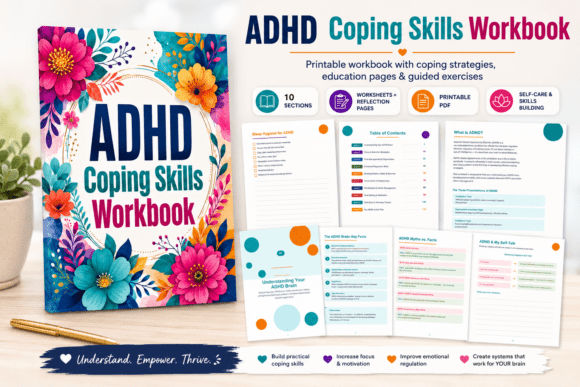
Living with ADHD can be both challenging and rewarding. For many adults, it’s a journey of self-discovery, learning to navigate daily life with greater ease and confidence. The ADHD Coping Skills Workbook offers a structured approach to understanding and managing ADHD in a way that aligns with your unique neurodivergent mind. Whether you're newly diagnosed or have been living with ADHD for years, this comprehensive guide provides the tools needed to thrive rather than simply cope.
Understanding the Neurodivergent Mind
The first step toward mastering your ADHD brain is understanding how it works. The ADHD Coping Skills Workbook dives deep into the science behind ADHD, helping you see your brain not as a limitation but as a unique set of strengths and challenges. This section is designed to help you reframe your perspective and build a foundation of self-awareness.
Key Features:
- ADHD Profile Assessment: Discover your personal strengths and how they can be leveraged in everyday life.
- Myths vs. Facts: Separate common misconceptions about ADHD from scientific truths to build a more accurate understanding.
- Energy Pattern Tracking: Learn to identify when you’re most productive and how to structure your day around these natural rhythms.
- Reframing Negative Self-Talk: Replace self-criticism with self-compassion and develop a more positive internal dialogue.
By understanding the mechanics of your brain, you gain the power to make intentional choices that support your well-being and productivity.
Strategies for Enhancing Focus and Attention
One of the most common struggles for individuals with ADHD is maintaining focus. The ADHD Coping Skills Workbook introduces practical techniques tailored to the ADHD brain, making it easier to stay on task and avoid distractions.
Custom ADHD-Friendly Pomodoro Techniques: Traditional time management methods may not work for everyone. This workbook provides modified Pomodoro intervals that align with the energy fluctuations typical of ADHD brains, allowing for more effective focus periods.
Distraction Elimination Toolkit: Learn how to create an environment that supports concentration by minimizing digital and physical clutter. This includes tips on organizing your workspace, setting up tech-free zones, and using apps that block distracting websites.
Body Doubling and Virtual Accountability: These strategies involve having someone else hold you accountable for tasks, whether in person or through virtual check-ins. This can be especially helpful for those who struggle with motivation or procrastination.
These strategies are not just theoretical—they are backed by real-world applications that have helped countless individuals improve their ability to focus and complete tasks efficiently.
Managing Emotions and Building Sustainable Habits
Emotional regulation is another key area where individuals with ADHD often face difficulties. The ADHD Coping Skills Workbook provides actionable steps for managing intense emotions and building habits that last.
Emotion Tracking Journal: This section encourages you to document your emotional states throughout the day, helping you identify triggers and patterns. By recognizing what leads to emotional spikes, you can develop coping mechanisms that work best for you.
Habit Stacking: One of the most effective ways to build sustainable habits is by linking new behaviors to existing routines. The workbook walks you through this process, making it easier to integrate healthy habits into your daily life without feeling overwhelmed.
Self-Compassion Practices: It's easy to fall into cycles of self-criticism when things don’t go as planned. This section teaches you how to practice self-compassion, which is essential for long-term success and mental well-being.
These strategies are designed to be flexible, so you can adapt them to fit your lifestyle and preferences while still achieving meaningful results.
Tracking Progress and Thriving with Your ADHD Brain
Progress tracking is crucial when working on any personal development goal, and the ADHD Coping Skills Workbook makes this process simple and effective. By regularly reviewing your progress, you can stay motivated and make adjustments as needed.
Weekly Review Templates: These templates allow you to reflect on your achievements, challenges, and areas for improvement. They also provide a space to celebrate your wins, no matter how small they may seem.
Goal Setting Framework: The workbook includes a structured approach to setting realistic, achievable goals. This helps you break down larger objectives into manageable steps, reducing feelings of overwhelm and increasing your sense of accomplishment.
Success Metrics: Understanding what success looks like for you is essential. This section guides you through defining your own success metrics, ensuring that your progress is measured in a way that aligns with your values and priorities.
By consistently tracking your progress, you can build momentum and continue growing in your journey toward mastery of your ADHD brain.
Conclusion
The ADHD Coping Skills Workbook is more than just a collection of strategies—it’s a roadmap to a more organized, focused, and fulfilling life. Whether you're looking to understand your brain better, enhance your focus, manage your emotions, or track your progress, this workbook provides the tools you need to succeed. With its structured approach and practical insights, it empowers you to work with your brain instead of against it, ultimately helping you thrive in every aspect of your life.