My Self-Care Log for Kids: A Fun Way to Teach Emotional Awareness and Healthy Habits
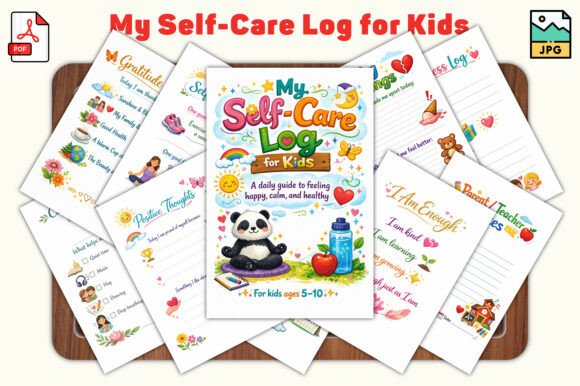
Teaching children the importance of self-care is essential for their emotional, mental, and physical well-being. My Self-Care Log for Kids offers a unique and engaging way to help young ones develop these skills through daily journaling, reflection, and creative expression. Designed with kids in mind, this 30-page printable journal encourages mindfulness, kindness, and healthy routines while making self-care feel like an exciting part of their day.
What Makes My Self-Care Log for Kids Unique?
My Self-Care Log for Kids stands out because it blends education with fun. It’s not just another worksheet or checklist—it’s a tool that invites children to explore their feelings, track their habits, and celebrate small victories. The log includes a variety of activities tailored to different aspects of self-care, such as:
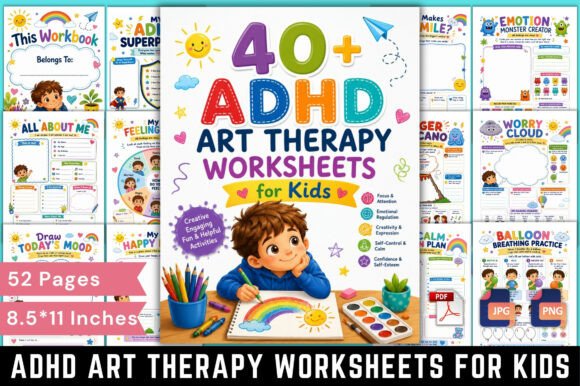
- Daily emotional check-ins: Help kids identify and name their emotions in a safe and supportive way.
- Self-care habit trackers: Encourage consistency in routines like brushing teeth, drinking water, or taking breaks when overwhelmed.
- Healthy routine logs: Track sleep, meals, and movement to build awareness of how the body functions.
- Mindfulness and calming activities: Include breathing exercises, guided visualizations, and sensory prompts.
- Gratitude and kindness pages: Promote positive thinking by asking kids to reflect on things they're thankful for or acts of kindness they've done.
- Creative drawing and reflection spaces: Allow kids to express themselves through art, writing, or storytelling.
- Weekly reviews and reward pages: Provide a sense of accomplishment and motivation to keep going.
- Parent teacher notes section: Offer a space for caregivers and educators to track progress or share observations.
This combination of structured guidance and open-ended creativity makes My Self-Care Log for Kids suitable for both independent use and collaborative support from parents, teachers, or therapists.
Who Can Benefit from Using This Journal?
The journal is designed for kids aged 5–10, but its flexibility means it can be adapted for younger or older children depending on their developmental stage. It's ideal for:
- Home use: Parents can introduce the journal as part of a morning or bedtime routine to foster emotional awareness and healthy habits.
- Classrooms: Teachers can incorporate the log into social-emotional learning (SEL) programs, helping students manage stress, build empathy, and practice mindfulness.
- Therapy sessions: Therapists can use the journal as a therapeutic tool to guide conversations about emotions, coping strategies, and self-compassion.
- Homeschooling environments: Educators can integrate the log into lessons on health, psychology, or personal development.
Whether used at home, in school, or in clinical settings, My Self-Care Log for Kids provides a versatile platform for supporting children's growth and resilience.
How to Use My Self-Care Log for Kids Effectively
To get the most out of My Self-Care Log for Kids, consider the following tips:
- Set a consistent time: Establish a routine, such as using the journal each morning or before bed, to create a habit around self-care.
- Encourage participation: Let kids choose which activities they want to complete first. This promotes ownership and engagement.
- Use it as a conversation starter: Ask open-ended questions based on what they've written or drawn. For example, "What made you feel happy today?" or "How did your body feel after you moved?"
- Be flexible: Not every page needs to be completed every day. Some days may focus more on reflection, others on tracking habits.
- Celebrate progress: Use the weekly review pages to acknowledge achievements and set new goals together.
By incorporating the journal into daily life, children can gradually build a foundation for lifelong self-care practices.
Strengths and Considerations
My Self-Care Log for Kids has several strengths that make it a valuable resource. Its clean layout, kid-friendly design, and variety of activities ensure that children remain engaged without feeling overwhelmed. The inclusion of parent and teacher notes also allows for personalized support and tracking of progress over time.
However, there are some considerations to keep in mind. While the journal is highly adaptable, it may require additional guidance from adults, especially for younger children who might need help understanding certain prompts. Additionally, since it's a printable PDF, users should have access to a printer or digital device for viewing and filling it out.
Despite these limitations, the benefits of using My Self-Care Log for Kids far outweigh the challenges. It empowers children to take charge of their well-being in a way that feels meaningful and enjoyable.
Real-World Applications and Scenarios
Here are a few examples of how My Self-Care Log for Kids can be applied in real-life situations:
- At home: A parent uses the journal to help their child process a difficult day at school, encouraging them to draw how they felt and write down a kind thing they did for someone else.
- In the classroom: A teacher integrates the log into a unit on emotions, having students complete a gratitude page each Friday to reflect on the week.
- In therapy: A therapist works with a child who struggles with anxiety, using the mindfulness pages to teach deep breathing techniques and relaxation methods.
- In homeschooling: A parent teaches a lesson on nutrition by having their child track meals in the journal and reflect on how food affects their energy levels.
These scenarios highlight the versatility of My Self-Care Log for Kids and its ability to support children in various contexts.
Evaluating Suitability for Different Needs
Before using My Self-Care Log for Kids, consider the following factors to determine if it aligns with your specific goals:
- Age appropriateness: Ensure the content matches the child's developmental level. Some prompts may need simplification for younger children.
- Learning objectives: If you're using the journal for educational purposes, assess whether the activities support your curriculum or teaching goals.
- Accessibility: Make sure the child has access to materials like paper, pencils, or coloring tools.
- Time commitment: Decide how much time you're willing to dedicate to guiding the child through the journal each day.
By carefully evaluating these factors, you can ensure that My Self-Care Log for Kids is a good fit for your child’s needs and environment.
Conclusion
My Self-Care Log for Kids is more than just a journal—it's a gateway to emotional intelligence, self-awareness, and healthy living. With its blend of structure and creativity, it supports children in developing essential life skills while keeping the process fun and rewarding. Whether used at home, in school, or in therapeutic settings, this resource offers a meaningful way to nurture a child's well-being—one day at a time.