Rebuild Your Confidence Through Character Building Activities for Kids
Confidence is a powerful trait that influences how we interact with the world, make decisions, and face challenges. For children, developing self-assurance early on can set the stage for lifelong success. That’s where Rebuild Your Confidence comes in—through character building activities designed to help kids understand and practice essential values like kindness, honesty, and responsibility. These activities aren’t just about learning—they’re about growing into resilient, thoughtful individuals ready to navigate life’s complexities.
Why Character Building Matters in Everyday Life
Character building isn’t limited to classrooms or school projects. It plays a crucial role in everyday interactions, from sharing toys with siblings to standing up for what’s right at school. For example, when a child learns the value of respect, they’re more likely to treat others kindly, even when it’s difficult. Similarly, practicing self-control can help kids manage frustration during homework or wait patiently in line at the grocery store.
These traits are especially important in social settings. A child who understands fairness might be more willing to take turns in group activities, while someone who practices patience may handle setbacks better when faced with challenges like losing a game or struggling with a new task.
Real-World Applications of Character Building Activities
The benefits of character development extend beyond the home and classroom. Consider a scenario where a child is asked to join a team project at school. If they’ve been working on teamwork through character-building exercises, they’ll be more comfortable collaborating with peers, listening to others, and contributing ideas. This kind of preparation helps them feel confident in their ability to work well with others.
Another example is decision-making. When children learn about positive decision-making, they begin to think critically about their choices. Whether it’s deciding whether to tell the truth when they make a mistake or choosing to help a friend in need, these moments shape their moral compass and build confidence in their judgment.
For parents, teachers, and educators, integrating these activities into daily routines can create meaningful opportunities for growth. A simple activity like writing down three things they did well each day can reinforce self-esteem and encourage reflection. Over time, this habit builds a foundation of confidence that supports personal and academic success.
Who Benefits from Character Building Activities?
Rebuild Your Confidence is not just for kids—it’s a valuable tool for anyone involved in their development. Parents can use it to guide conversations about values and model positive behavior. Teachers can incorporate it into lesson plans to support social-emotional learning goals. Counselors and activity creators can use it as a resource to help children process emotions and develop resilience.
For homeschoolers, this workbook offers a structured way to integrate character education into daily lessons. Whether it’s discussing courage after reading a story or reflecting on responsibility after completing a task, these activities provide practical ways to explore complex concepts in an engaging format.
Even in professional settings, the principles behind character building can be applied. Educators, for instance, might use these activities to help students prepare for leadership roles or community service projects. The skills developed through these exercises—like goal-setting and self-assessment—can also translate into real-world problem-solving and decision-making abilities.
How to Get the Most Out of Character Building Activities
While the Character Building Activities for Kids Workbook is packed with useful content, its effectiveness depends on how it’s used. One key consideration is consistency. Setting aside regular time for these activities—whether it’s once a week or daily—helps reinforce the values being taught. It’s also important to tailor the activities to the child’s age and interests to keep them engaged.
Another factor is the environment in which the activities take place. Creating a safe and supportive space encourages open discussions and honest reflections. For example, when working on self-control exercises, acknowledging progress rather than focusing solely on mistakes can build confidence and motivation.
It’s also worth noting that some activities may require more guidance than others. While matching activities or infographic learning pages can be done independently, others—like character challenges or action plans—may benefit from parental or teacher involvement. This collaboration not only strengthens the learning experience but also models the very values being taught.
Exploring the Features of the Workbook
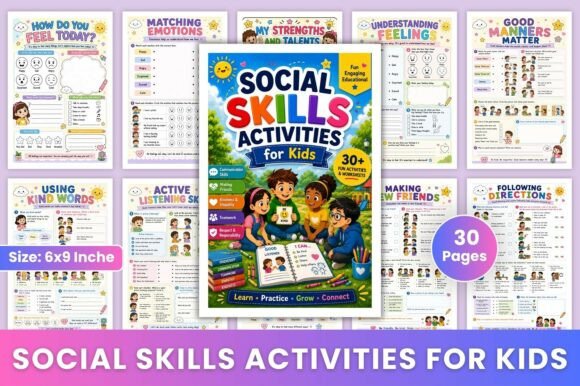
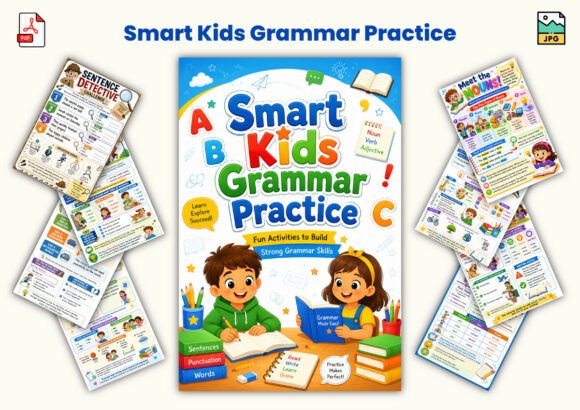
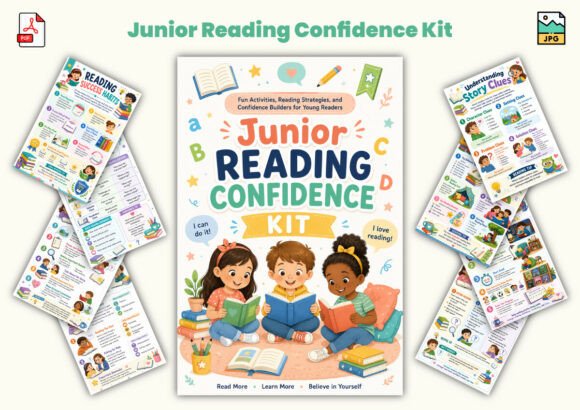
The Character Building Activities for Kids Workbook includes 31 unique pages designed to engage young learners in meaningful ways. From reflection pages that encourage introspection to creative thinking activities that spark imagination, each page serves a specific purpose in fostering character development.
The inclusion of both JPG and PDF files ensures flexibility in how the workbook is used. Whether printed for hands-on activities or viewed digitally for interactive learning, the design is optimized for ease of use. With a page size of 6 × 9 inches, the layout is perfect for younger readers, making it easy to follow and visually appealing.
The educational workbook layout is carefully crafted to support different learning styles. Visual learners will benefit from infographic learning pages, while those who prefer hands-on experiences can enjoy interactive worksheets. The variety of activities ensures that every child finds something that resonates with them.
One standout feature is the character growth trackers, which allow children to monitor their progress over time. This visual representation of growth can be incredibly motivating, helping kids see how their actions contribute to long-term development.
Limitations and Considerations
While the Character Building Activities for Kids Workbook is a comprehensive resource, it’s important to recognize that no single tool can address all aspects of character development. Real-life experiences, family dynamics, and cultural influences all play a role in shaping a child’s values. Therefore, this workbook should be seen as one part of a broader approach to raising confident, compassionate individuals.
Additionally, some activities may require adaptation based on the child’s maturity level or individual needs. For example, a self-assessment exercise that works well for a 10-year-old might be too abstract for a younger child. Being flexible and adjusting the activities accordingly can help ensure they remain effective and engaging.
Finally, while the workbook provides a strong foundation, ongoing dialogue and reinforcement are essential. Encouraging open conversations about values, asking reflective questions, and modeling positive behavior can enhance the impact of these activities in meaningful ways.