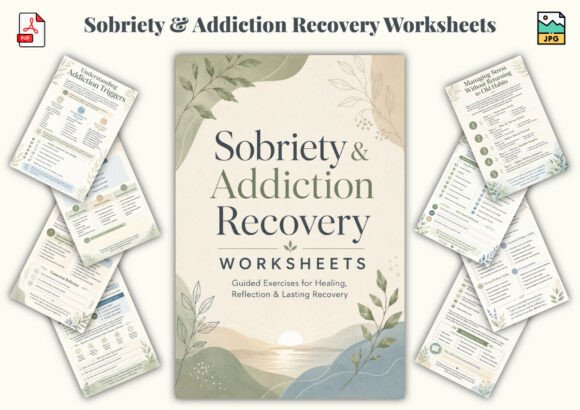
Sobriety Addiction Recovery Worksheets: A Strategic Tool for Healing and Long-Term Recovery
For individuals navigating the complex path of addiction recovery, having a structured and intentional approach is essential. Sobriety Addiction Recovery Worksheets offer a practical, accessible resource that supports emotional growth, self-reflection, and sustainable recovery. These worksheets are not just tools—they are strategic assets that can be integrated into recovery plans, therapy sessions, or personal development routines to foster meaningful progress.
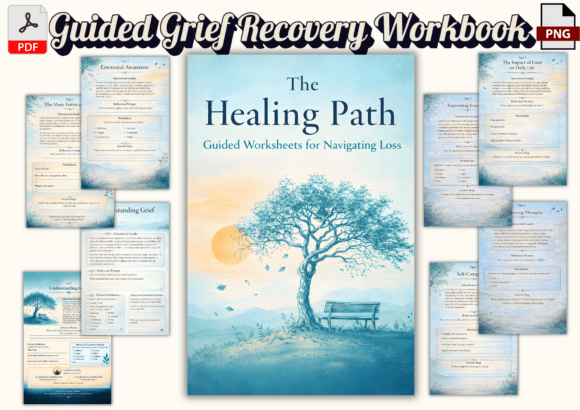
The Sobriety Addiction Recovery Worksheets workbook is designed with a minimalist aesthetic and calming therapeutic visuals, making it an ideal companion for anyone seeking to build resilience, establish healthy habits, and regain control over their mental and emotional well-being. With 32 unique pages, this guide covers a wide range of topics, including trigger awareness, coping strategies, relapse prevention, emotional regulation, and more.
Strategic Use of Sobriety Addiction Recovery Worksheets in Recovery Planning
When used intentionally, these worksheets become more than just paper exercises—they transform into actionable steps that align with broader recovery goals. Whether you're working with a therapist, attending a recovery program, or managing your sobriety independently, these tools help structure your journey in a way that promotes accountability and reflection.
Consider integrating the worksheets into weekly recovery check-ins. For example, using the Relapse Prevention Planning section each week allows you to assess potential risks, identify new triggers, and adjust your coping mechanisms accordingly. This proactive approach ensures that your recovery plan remains dynamic and responsive to your evolving needs.
Similarly, the Healthy Boundaries worksheets can be used when evaluating relationships or environments that may compromise your sobriety. By reflecting on past interactions and identifying patterns, you can make informed decisions about who to surround yourself with and how to communicate your needs effectively.
How to Approach Sobriety Addiction Recovery Worksheets Effectively
To maximize the value of these worksheets, it's important to approach them with a clear purpose. Begin by setting specific goals—whether it's improving emotional regulation, building self-trust, or developing better coping strategies. Then, use the relevant sections of the workbook to support those objectives.
For instance, if your goal is to enhance emotional regulation, focus on the Emotional Awareness Prompts and Grounding Techniques sections. These exercises encourage mindfulness and self-awareness, which are crucial for managing cravings and emotional distress without turning to substances.
Another key consideration is consistency. While it's tempting to complete a few pages and move on, the real impact comes from regular engagement. Treat these worksheets like any other recovery tool—dedicate time each week to reflect, track progress, and adjust as needed.
Practical Examples of Using Sobriety Addiction Recovery Worksheets
Let’s explore a few scenarios where these worksheets can be applied strategically:
- Therapy Sessions: A therapist might assign specific worksheets to clients to work on between sessions. For example, using the Recovery Journey Reflection worksheet helps clients articulate their progress and challenges, providing valuable insights during counseling.
- Personal Development: Individuals who prefer self-directed recovery can use the Coping Strategies and Self-Trust Building worksheets to create personalized action plans. These tools help break down abstract concepts into concrete steps.
- Group Recovery Programs: In group settings, facilitators can use the Relapse Prevention Planning worksheets to lead discussions on common triggers and effective coping techniques. This fosters peer support and shared learning.
Each of these examples demonstrates how the Sobriety Addiction Recovery Worksheets can be tailored to different contexts, ensuring they remain relevant and impactful regardless of the user’s situation.
What to Consider Before Relying on Sobriety Addiction Recovery Worksheets
While these worksheets are incredibly useful, they should not be viewed as standalone solutions. Recovery is a multifaceted process that often requires professional guidance, community support, and ongoing commitment. It's important to recognize the limitations of these tools and use them as part of a broader recovery strategy.
One risk of relying solely on worksheets is the possibility of overlooking deeper psychological or emotional issues that require professional intervention. If you find that certain exercises are not yielding results or are causing distress, it may be time to seek additional support from a counselor or recovery specialist.
Additionally, without clear goals or context, the worksheets may feel generic or unproductive. To avoid this, take the time to define what you want to achieve and how these tools will contribute to your overall recovery plan.
Long-Term Value of Sobriety Addiction Recovery Worksheets
The long-term benefits of using these worksheets extend beyond immediate recovery efforts. Over time, they help cultivate habits that support lasting sobriety and emotional wellness. The Recovery Habits Checklists, for instance, encourage the development of consistent routines that promote stability and reduce the likelihood of relapse.
Moreover, the reflective nature of these exercises encourages continuous self-assessment and growth. As users engage with the Guided Reflection Exercises and Self-Care Pages, they begin to see themselves in a more compassionate and understanding light. This shift in perspective is vital for maintaining motivation and confidence throughout the recovery journey.
Incorporating these worksheets into daily or weekly routines can also serve as a reminder of progress made, reinforcing the belief that recovery is possible and worth pursuing.
Final Thoughts on Sobriety Addiction Recovery Worksheets
Sobriety Addiction Recovery Worksheets are more than just printable pages—they are strategic tools that empower individuals to take charge of their recovery with intention and clarity. When used thoughtfully, they provide structure, insight, and support at every stage of the journey.
Whether you're an individual exploring recovery on your own, a therapist looking for additional resources, or a program coordinator seeking to enhance client support, these worksheets offer a versatile and effective solution. Their design, content, and flexibility make them a valuable asset in promoting healing, self-reflection, and long-term sobriety.
By approaching these worksheets with a clear strategy and purpose, you can unlock their full potential and take meaningful steps toward a healthier, more fulfilling life.