Wild Adventure Journal for Kids
In today’s digital-first world, where attention spans are fleeting and visual appeal is paramount, the Wild Adventure Journal for Kids stands out as a compelling example of how thoughtful design can merge functionality with creativity. This fun and interactive planner is tailored for children aged 6–12, encouraging them to explore nature, document their adventures, and develop observation skills through engaging prompts and activities. As a graphic designer or creative professional, understanding the visual and structural elements of such a product can provide valuable insights into crafting effective design solutions that resonate with young audiences and enhance brand engagement.
Design Elements That Drive Engagement
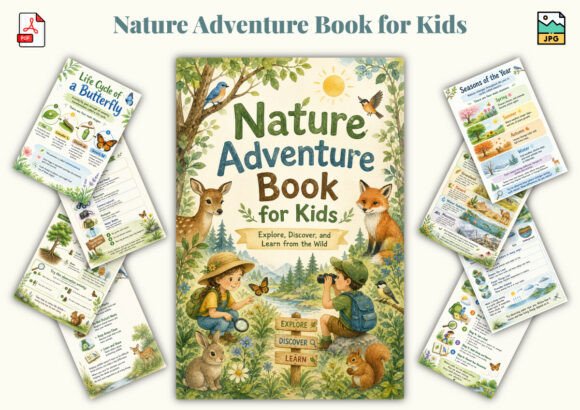
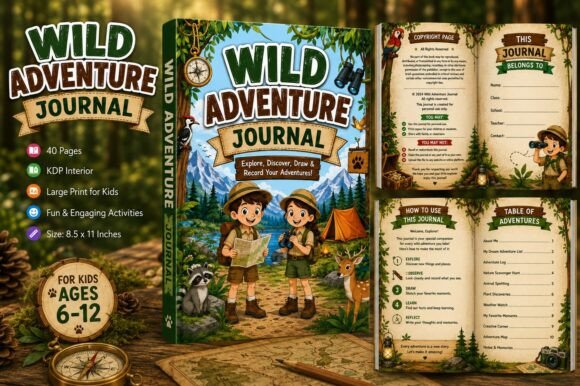
The Wild Adventure Journal for Kids incorporates a variety of visual components that make it both educational and enjoyable. From its nature-themed illustrations to its well-structured layout, every element serves a purpose in guiding the user experience. The use of a cohesive color palette inspired by the natural world helps create an inviting atmosphere, while the typography choices ensure readability without sacrificing style. These considerations align closely with principles of UI design and UX design, making the journal not only visually appealing but also intuitive to use.
The Adventure Goals Pages and Places to Explore Tracker exemplify how visual hierarchy can be used to guide interaction. Clear headings, icons, and structured layouts help users navigate the content effortlessly. This kind of approach is crucial in editorial design and packaging design, where clarity and organization are key to conveying information effectively.
Typography and Readability
Selecting the right typography is essential when designing for children. The Wild Adventure Journal for Kids uses playful yet legible fonts that balance fun with functionality. This choice ensures that the content remains accessible while maintaining a sense of excitement. For designers, this highlights the importance of considering audience needs when selecting typefaces—especially in social media graphics, digital marketing, or creative projects aimed at younger demographics.
Additionally, the inclusion of sketch draw sections and animal observation pages provides ample space for creativity, reinforcing the idea that good design should encourage interaction. This concept is particularly relevant in branding and logo design, where allowing room for personal expression can lead to more meaningful connections with users.
Practical Applications for Designers
The Wild Adventure Journal for Kids offers numerous practical applications for professionals in the design field. Its structured format and engaging visuals can serve as inspiration for creating marketing materials, website layouts, or even merchandise that appeals to families and outdoor enthusiasts. The adventure log pages and memory reflection spaces demonstrate how storytelling can be woven into the fabric of a design, making it more relatable and memorable.
- Branding: Use the journal’s nature-inspired aesthetics as a foundation for building a cohesive brand identity.
- Social Media: Repurpose its imagery and layout ideas for social media content that promotes outdoor exploration.
- Web Design: Apply its structured approach to UI/UX design for interactive learning platforms or educational websites.
Ultimately, the Wild Adventure Journal for Kids is more than just a planner—it's a testament to how thoughtful graphic design can foster curiosity, engagement, and a deeper connection with the natural world. By analyzing its structure and visual language, designers can gain fresh perspectives on how to craft experiences that are both beautiful and meaningful.