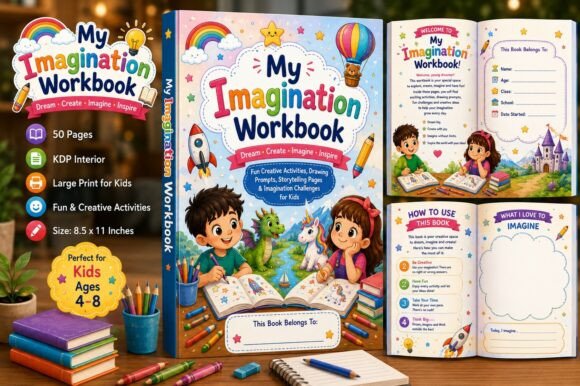
My Imagination Workbook: A Creative Tool for Nurturing Young Minds
For parents, educators, and caregivers looking to foster creativity in children aged 4–8, My Imagination Workbook offers a structured yet playful approach to developing essential cognitive and artistic skills. This workbook is more than just a collection of activities—it's a comprehensive resource designed to integrate seamlessly into daily routines, learning environments, and creative exploration. Whether used at home, in the classroom, or during travel, it provides a flexible framework that supports imaginative thinking, problem-solving, and self-expression.
Understanding the Role of My Imagination Workbook in Learning
My Imagination Workbook is built around the idea that creativity is not only an innate talent but also a skill that can be cultivated through consistent practice and engagement. It serves as a bridge between structured learning and free-form exploration, making it ideal for use before, during, or after various educational or creative activities. For instance, it can be introduced before a storytelling session to help children brainstorm ideas, used during quiet time to reinforce learning concepts, or applied after a project to reflect on what was learned and how it can be expanded upon.
The workbook’s design allows it to complement other tools such as flashcards, educational apps, or traditional school curricula. Its interactive nature makes it compatible with both digital and hands-on learning approaches, ensuring that it can be integrated into diverse teaching methods without disrupting existing workflows.
Key Features and How They Support Development
The effectiveness of My Imagination Workbook lies in its well-rounded content, which includes:
- Creative Drawing Prompts: These pages encourage children to visualize and create unique worlds, characters, and scenarios. By engaging with these prompts, kids learn to think beyond the ordinary and express their thoughts visually.
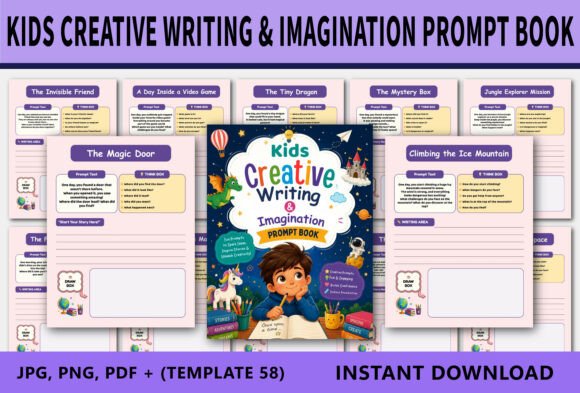
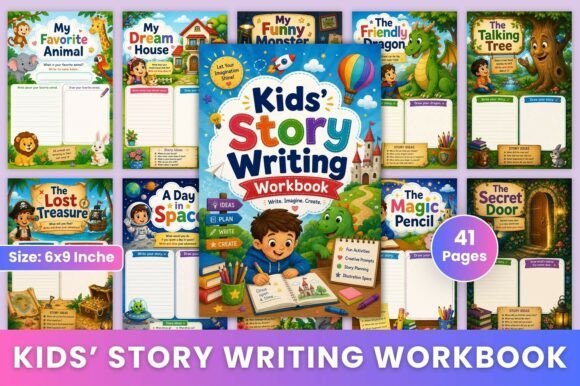
- Story Writing Activities: Designed to spark imagination and narrative skills, these exercises guide children through the process of creating stories, from setting and character development to plot resolution.
- Interactive Learning Games: Mazes, word searches, spot-the-difference, and hidden object challenges enhance critical thinking and attention to detail while keeping the learning experience enjoyable.
- Colorful Kid-Friendly Design: The workbook uses bright, engaging visuals that are appealing to young learners, helping to maintain focus and interest over extended periods.
- Hands-On Activities: Tracing, matching, cutting, and drawing exercises promote fine motor skills and hand-eye coordination, which are crucial for early childhood development.
- Adventure Fantasy Themes: From space explorations to underwater adventures, these themes provide a context for creative play and learning, making abstract concepts more tangible and relatable.
- Achievement Motivation Pages: Positive affirmations, creativity certificates, and proud moments pages help build confidence and reinforce a sense of accomplishment, encouraging children to continue exploring and creating.
Each feature is carefully crafted to support different aspects of child development, ensuring that the workbook remains relevant and beneficial across multiple stages of learning.
Practical Integration into Daily Routines
One of the greatest strengths of My Imagination Workbook is its adaptability. Here are some practical ways to incorporate it into your routine:
- As a Pre-Activity Warm-Up: Use the workbook to prepare children for a creative task, such as writing a story or designing a project. Activities like brainstorming or drawing prompts can help them get into the right mindset.
- During Free Time or Quiet Hours: The workbook is perfect for independent work, allowing children to engage in self-directed learning. It can be used alongside other quiet activities like reading or puzzles.
- After a Learning Session: Reinforce what was learned by using reflection-based activities. For example, after a science lesson, encourage children to draw or write about what they discovered.
- In Group Settings: Teachers and parents can use the workbook for group activities, such as collaborative storytelling or team-based challenges, promoting social interaction and teamwork.
When integrating the workbook into your workflow, consider organizing activities based on the child’s interests and developmental stage. For younger children, focus on tracing, coloring, and simple mazes. For older kids, emphasize storytelling, problem-solving, and more complex drawing tasks.
Enhancing Creativity Through Consistency and Routine
Consistency is key when using My Imagination Workbook. Establishing a regular time for creative activities helps build a habit of exploration and expression. Whether it’s a weekly session or a daily routine, consistency ensures that children remain engaged and continue to develop their skills over time.
To maximize the benefits of the workbook, pair it with other resources that support creativity and learning. For example, after completing a drawing prompt, encourage the child to tell a story about their creation. This integration of visual and verbal expression enhances comprehension and communication skills.
Additionally, consider incorporating feedback and encouragement into the process. Praise children for their efforts and use the achievement motivation pages to celebrate their progress. This positive reinforcement builds confidence and motivates them to keep exploring.
Supporting Long-Term Creativity and Confidence
My Imagination Workbook is not just a one-time activity; it’s a long-term investment in a child’s creative growth. The skills developed through this workbook—such as storytelling, problem-solving, and artistic expression—are foundational to future learning and personal development. As children grow, they will carry these skills into academic settings, creative projects, and even career paths.
Parents and educators can track progress by reviewing completed pages and noting improvements in creativity, confidence, and independence. This tracking can be done informally or through structured assessments, depending on the child’s needs and the goals of the learning environment.
Moreover, the workbook’s printable format makes it easy to customize and reuse. You can print specific pages for different activities or modify the content to align with current lessons or interests. This flexibility ensures that the workbook remains a valuable tool throughout the child’s early years.
Conclusion
My Imagination Workbook is a versatile and effective resource for nurturing creativity in young children. Its thoughtful design, diverse range of activities, and seamless integration into daily routines make it an invaluable tool for parents, educators, and caregivers. By incorporating this workbook into your workflow, you can help children develop essential skills while fostering a love for learning and self-expression.